
WWhen it comes to designing a fiber optic network, the distance between connection points plays a crucial role in determining the right type of cable to use. Whether you're linking two buildings across a campus or connecting devices within a single office, understanding how distance affects performance is key. In this article—part of our comprehensive Choosing a Fiber Optic Cable Type for Your Installation Tutorial—we break down how to choose the right fiber optic cable for both long-distance and short-distance installations.

Understanding the Basics
Fiber optic cables transmit data using light, which allows for faster speeds and greater bandwidth than traditional copper cables. However, not all fiber cables are created equal. Two primary types are used in most installations:
Singlemode Fiber (OS1, OS2)
Multimode Fiber (OM1, OM2, OM3, OM4, OM5)
The difference between these two types lies in the core size and the distance they can support.
Short-Distance Installations
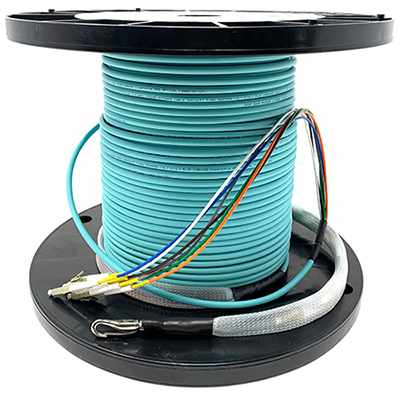
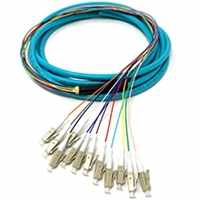
Short-distance fiber installations, such as within a single office building or data center, typically use multimode fiber. These cables have a larger core (usually 50 or 62.5 microns) and transmit data using multiple light modes or paths.
Best for:
Distances under 550 meters
Local area networks (LANs)
Data centers
Server rooms
Advantages:
Lower-cost transceivers and equipment
Easier to terminate and splice
Ideal for high-bandwidth needs over short runs
Common multimode types: OM3 and OM4, both of which are optimized for high-speed 10G and 40G transmissions over relatively short distances.
Long-Distance Installations
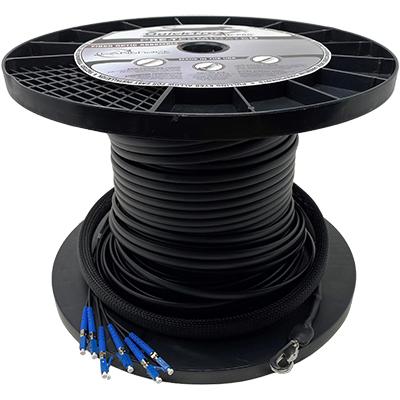
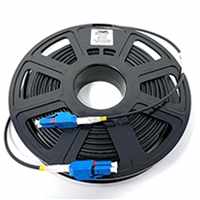
If you're planning a network that spans long distances—between buildings, across campuses, or for backbone infrastructure—single-mode fiber is the better choice. It has a much smaller core (about 8-10 microns) and allows light to travel in a single straight path, minimizing signal loss over long distances.
Best for:
Runs over 1,000 meters
Metropolitan area networks (MANs)
Campus-wide networks
Telecom and internet backbone
Advantages:
Can transmit data over several kilometers without needing signal boosting
Supports higher bandwidth and data rates
Future-proof for expanding data demands
Considerations: While single-mode fiber offers greater performance, it typically requires more expensive optics and equipment compared to multimode setups.
Key Factors to Consider
Budget: Multimode systems are more cost-effective for short runs; single-mode is better for long-term, scalable investments.
Future Growth: If you anticipate needing more bandwidth or expanding your network, singlemode may offer more flexibility.
Environment: Indoor vs. outdoor installations may also dictate jacket type, weather protection, or the need for armored fiber.

Selecting the right fiber optic cable comes down to understanding your distance requirements and planning for both current and future needs. Whether you're setting up a high-speed internal network or a long-haul connection between facilities, matching the cable type to the distance ensures performance and reliability.
For expert advice, custom fiber solutions, and high-quality cables, trust Lanshack—your reliable partner in fiber optic networking.


Write a comment ...