
In today’s high-speed digital world, network performance is a critical factor for businesses, data centers, and enterprise operations. Selecting the right fiber optic cabling is key to ensuring both speed and reliability. This Fiber Type vs Speed and Distance Tutorial will guide you through the essentials of fiber selection, its impact on network performance, and best practices for modern networks.

1. Understanding Fiber Types:
There are primarily two types of fiber optic cables used in networks:
a. Single-Mode Fiber (SMF): Designed for long-distance transmission, SMF features a small core and minimal signal attenuation, making it suitable for backbone and inter-building connections. It supports high bandwidths and speeds up to 100G and beyond.
b. Multi-Mode Fiber (MMF): Ideal for short-distance applications, MMF has a larger core and is generally used for intra-building or data center connections. While it is cost-effective, its maximum distance is limited compared to single-mode fiber.
2. How Fiber Type Impacts Speed and Distance:
The choice between single-mode and multi-mode fibers affects both the speed and the maximum transmission distance of your network:
a.Single-Mode Fiber: Enables high-speed data transfer over long distances with low signal loss, perfect for large-scale networks and enterprise backbones.
b. Multi-Mode Fiber: Provides fast connections over shorter distances. While it supports 10G to 40G speeds, longer distances can lead to higher attenuation and reduced performance.
3. Best Practices for Modern Networks:
To maximize performance and reliability, consider the following:
a. Evaluate Network Requirements: Determine the distance and speed requirements for each segment of your network before selecting fiber type.
b.Plan for Scalability: Future-proof your network by choosing fiber capable of supporting higher bandwidths for emerging technologies.
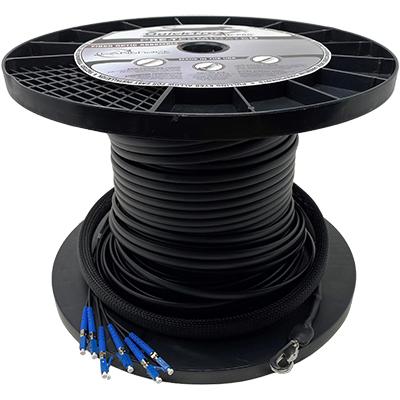
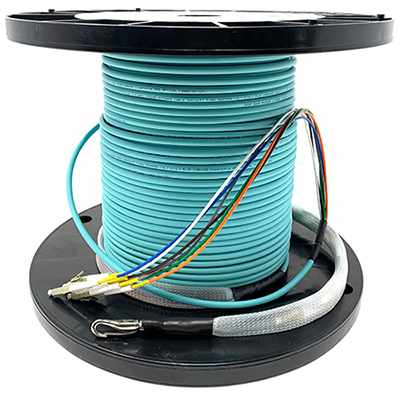
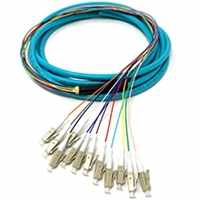
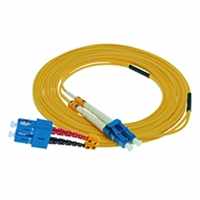
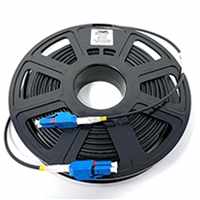
c. Use Pre-Terminated Assemblies: These reduce installation time, minimize errors, and provide consistent performance across all connections.
d. Proper Cable Management: Avoid sharp bends, organize cables systematically, and label connections to reduce signal loss and simplify maintenance.
4. Testing and Maintenance:
After deployment, testing ensures the network performs optimally. Tools such as OTDR testers and insertion loss meters are essential to measure signal integrity and troubleshoot potential issues. Regular maintenance is crucial to maintain long-term performance.
Understanding the relationship between fiber type, speed, and distance is essential for designing high-performance modern networks. By following best practices and selecting the appropriate fiber, organizations can ensure reliable, scalable, and high-speed connectivity.
For premium fiber optic solutions, including pre-terminated assemblies, rugged cabling, and custom networking components, trust Lanshack. Upgrade your network today with high-quality fiber solutions tailored for modern enterprise demands.


Write a comment ...