
When planning a network upgrade, most people focus on faster routers, better switches, or new hardware. However, the real foundation of any high-performing network begins with one critical factor — understanding Fiber Type vs Speed and Distance. The type of fiber you choose directly affects how fast your data travels, how far it can go, and how reliable your connection will be.

1. The Foundation of Network Performance
Before upgrading network equipment, it’s essential to know the limits of your existing infrastructure. The discussion of Fiber Type vs Speed and Distance helps determine whether your network can support higher speeds or extended coverage without signal loss. For instance, single-mode fiber supports much longer distances and higher speeds compared to multi-mode fiber, making it ideal for large facilities or long-distance links. Multi-mode fiber, on the other hand, is more cost-effective for shorter connections.
2. How Fiber Type Impacts Speed and Distance
Understanding the relationship between Fiber Type vs Speed and Distance means recognizing that different fibers have unique capabilities.
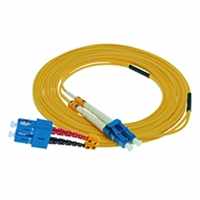
Single-Mode Fiber (SMF): Designed for long-distance transmission, it can carry signals over miles with minimal loss, ideal for telecoms and data centers.
Multi-Mode Fiber (MMF): Suitable for shorter distances, typically within buildings or campuses, where cost efficiency and easy installation are priorities.
Choosing the wrong type could lead to poor performance, speed limitations, or expensive replacements down the road.
3. Why It Matters for Every Upgrade
Whether you’re upgrading a small office network or a large-scale enterprise system, evaluating Fiber Type vs Speed and Distance first ensures that your new equipment performs at its full potential. A high-speed switch or router won’t make much difference if your fiber cabling can’t handle the required bandwidth or distance. Investing in the right fiber infrastructure helps you future-proof your setup, reduce maintenance costs, and prevent connectivity bottlenecks.
4. Planning for the Future
Technology is evolving rapidly, and network demands continue to grow. Selecting the correct fiber type today helps ensure your system can handle future upgrades in speed and data load. When assessing Fiber Type vs Speed and Distance, think beyond your current needs — consider scalability, reliability, and long-term performance. A properly designed fiber network will keep your business ready for tomorrow’s digital challenges.
Every strong network begins with the right cable choice. Evaluating Fiber Type vs Speed and Distance before any upgrade ensures your investment delivers maximum results. For expert guidance, quality fiber cables, and trusted network solutions, turn to Lanshack — your reliable partner in building faster, stronger, and future-ready connections.


Write a comment ...